Start & cash flow
Probably Stolen first days: keep cash for rent and the next batch
For a shop short of working cash, finish and sell one manual water batch before adding a slow production line. Set aside the next bill and replacement inputs first. Wine is a later choice when you can leave a bottle tied up; rats need food, cage care and space every day.
The first-day objective is another funded day
Check the cash you can spend after the next bill, then look at what is already in your inventory. A machine without its power, input or output container is an unfinished purchase. Grapes without an empty wine bottle are tied-up stock. Rats without food and a maintained cage are a daily obligation.
If you already own a pitcher, filter and water tester, the default first move is a single Basewater batch. That uses the equipment you have and gives a clear sale to compare with the consumed supplies. This is a working-capital recommendation, not a claim that water always has the highest profit.
Choose by the resource you can afford to tie up
| Your current position | Default next move | Switch when… |
|---|---|---|
| Little spare cash; pitcher, filter and tester already owned | Finish one manual water batch. Buy only the missing consumable. | There is no affordable source water or no practical buyer for finished stock. |
| Sellable water moves reliably; spare cash and empty containers | Consider one powered water setup, including a charged battery and output container. | Bottles or unsold stock are the bottleneck; fix that before adding production. |
| Wine bottle, sound berries and water available; bills covered during fermentation | Start one ordinary wine batch and keep trading other stock while it ferments. | You would have to sell the unfinished batch or miss a bill to fund it. |
| Cage and feeding equipment already owned; food and care are affordable | Maintain a small rat group before increasing births or buying more cages. | There is no room for offspring or no cash for food and repairs. |
You do not need all three lines running. The good next purchase removes the constraint on your current sales: a filter, an empty bottle, a charged battery or a replacement cage part can be more useful than a second machine.
Separate the bill reserve from expansion money
Rent rises over time. The official store description warns that falling behind reduces shop attractiveness and customer flow, which makes recovering cash harder. An expensive item on a shelf does not pay a bill until somebody buys it.
Before accepting a new purchase, keep three amounts in mind: the next bill shown by the game, the supplies needed to complete existing work, and the inputs for one more batch. Only the remaining cash is available for expansion. Use your current save's actual offers and bills; fixed beginner budgets age badly across scenarios, reputation and events.
- Reserve bills
Ring-fence the next amount due before opening an expansion purchase.
- Finish existing work
Fund the filter, feed, power or bottle that turns current inventory into a sellable item.
- Sell completed stock
Check the buyer, grade and offer instead of valuing stock at a hoped-for future price.
- Replace inputs
Restore the supplies that made the batch possible.
- Then expand
Use the remainder for the next machine or business unlock.
A purchase test you can use at the counter
Case: you have completed water in bottles, one nearly exhausted filter and the next rent bill coming. A seller offers another purifier. Replace the filter and sell the finished water first. Another purifier adds no useful throughput if you cannot supply the manual step or move the output.
Different case: you already sell out each day, the filter reserve is healthy, and an existing machine repeatedly stops for lack of charge. Solve power first. If the overnight inputs and output space are all available and demand still exceeds production, adding another unit becomes a meaningful choice.
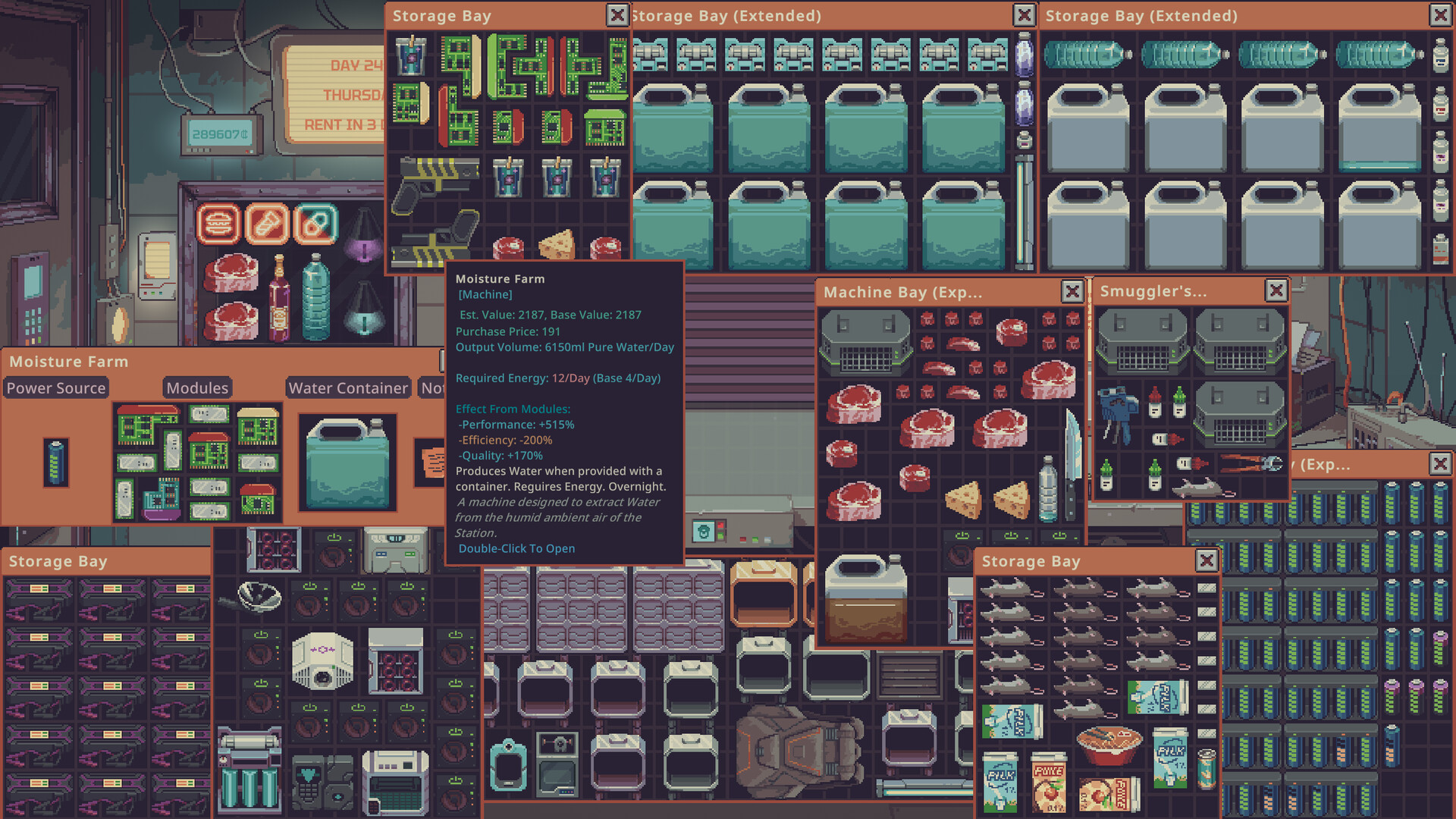
At the end of the day, check that bills are covered, tomorrow's inputs exist, batteries are ready and finished goods have somewhere to go. Keep a wine bottle aging only while that choice leaves the next trading day funded.